
THIS.IS.ROOTS.
Where Greek Cooking Begins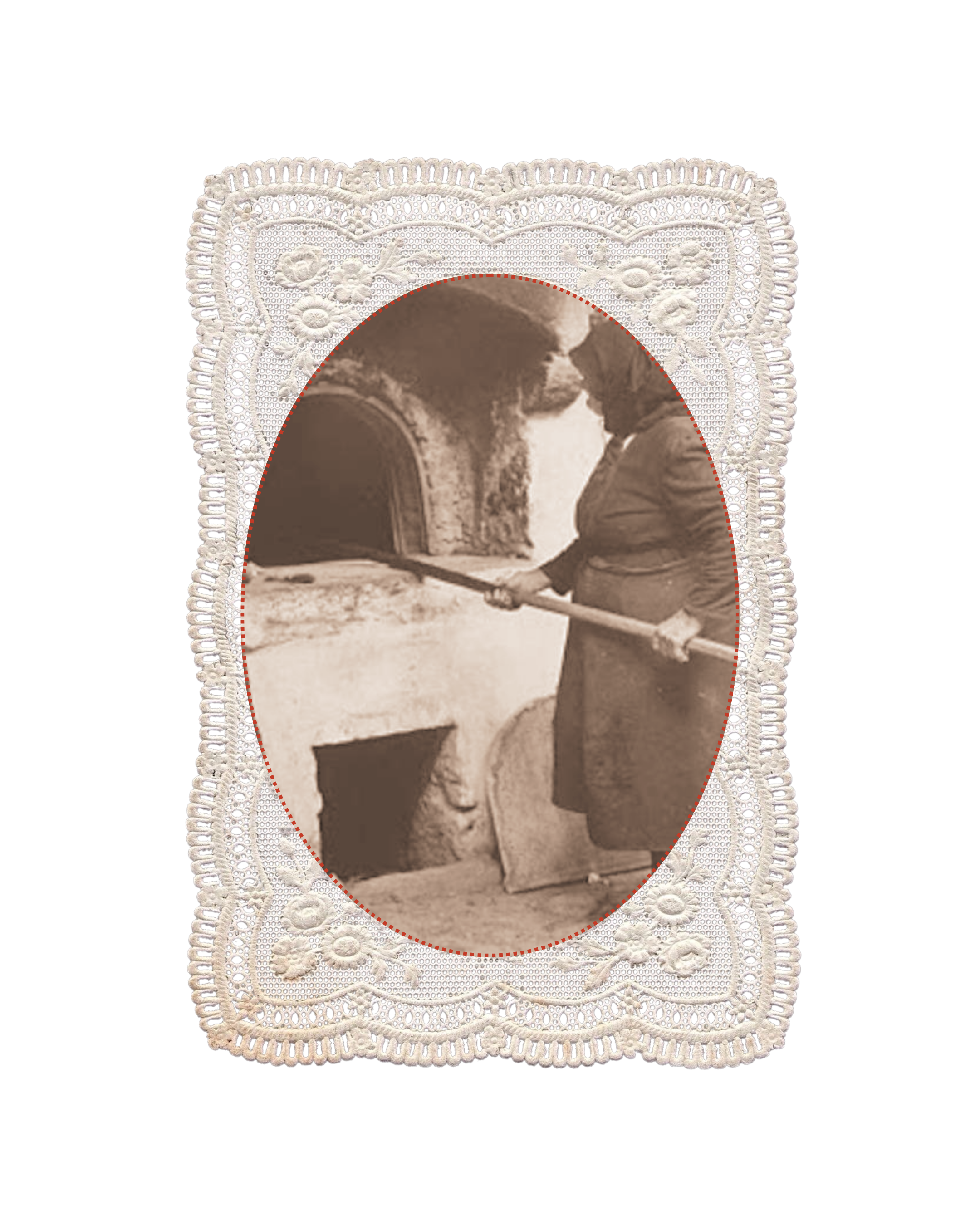
January at Bar Vlaha does not chase novelty.
It returns to the beginning.
Before menus, before technique, before tourism, Greek cooking began with fire. With bread. With mountains and winter. With people gathered close to the hearth, cooking what the land could give and stretching it through patience, memory, and care.
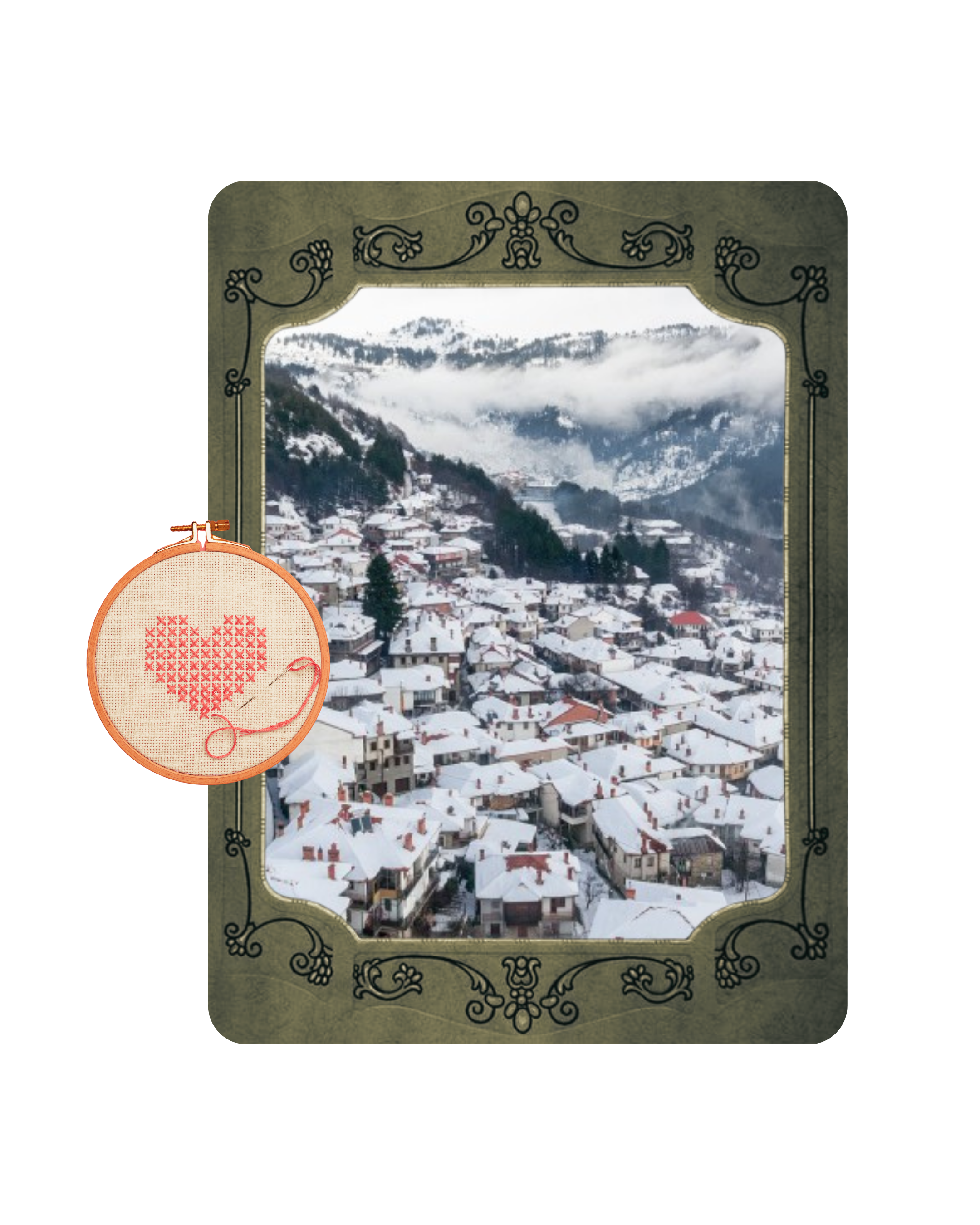
THIS.IS.ROOTS. is a return to that origin. To the Vlach mountain traditions of Northern Greece, where winter cooking was about survival, warmth, and shared nourishment.
The HearthIn the mountain villages of Northern Greece, the hearth was the center of life.
It gave heat during harsh winters. It cooked meals slowly over open flame. It welcomed guests with warmth and food, the first act of hospitality.

Lentil stews, clay pot beans, slow braised meats, flatbreads baked on stone. These were not recipes, but rhythms shaped by fire and time rather than precision.
At Bar Vlaha, January cooking follows the same logic. Dishes are built around braising, hearth cooking, and patience. Flavor develops slowly. Nothing is rushed.
The Food: Cooking for WinterJanuary’s menu reflects how Vlach communities sustained themselves through the cold months using preserved vegetables, hardy roots, and long cooked meats meant to be shared.
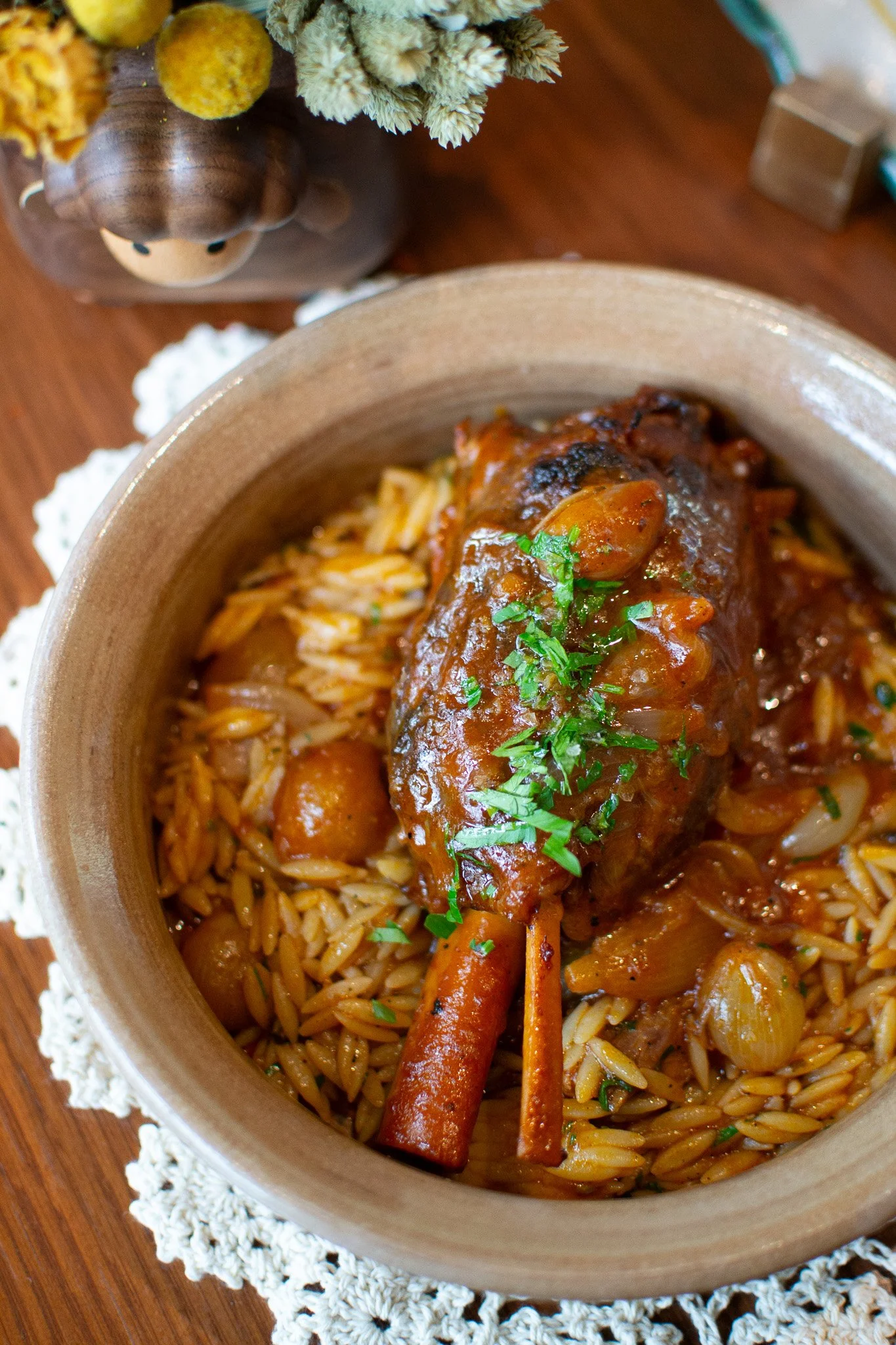
Stifado is a defining expression of this philosophy. Wild boar shank is braised slowly with pearl onions, tomato, cinnamon, and orzo. It is not about intensity, but transformation. Meat softened by time, flavor shaped by patience. Historically, game meats hunted in winter were stretched across communal meals, feeding many from little.
Hirino Me Selino balances pork shoulder with celery root, fennel, and avgolemono. This dish reflects agrarian restraint. Richness grounded by acidity. Comfort without heaviness. Here, avgolemono is functional rather than decorative, thickening and balancing the dish.
Lahanodolmades tell a story of adaptation. In colder climates, cabbage replaced grape leaves. Stuffed and braised, these bundles of meat, rice, and herbs physically embody survival cooking. Wrapped, layered, protected.
Vegetables are treated with equal respect. Psita Lahanika highlights winter roots, brassicas, squash, and mushrooms cooked over charcoal. In Vlach cooking, vegetables were never secondary. They were foundational.
All of January’s dishes share a common truth. This is time forward cooking. Not flashy. Not fast. Rooted.
The Land: Mountains as Pantry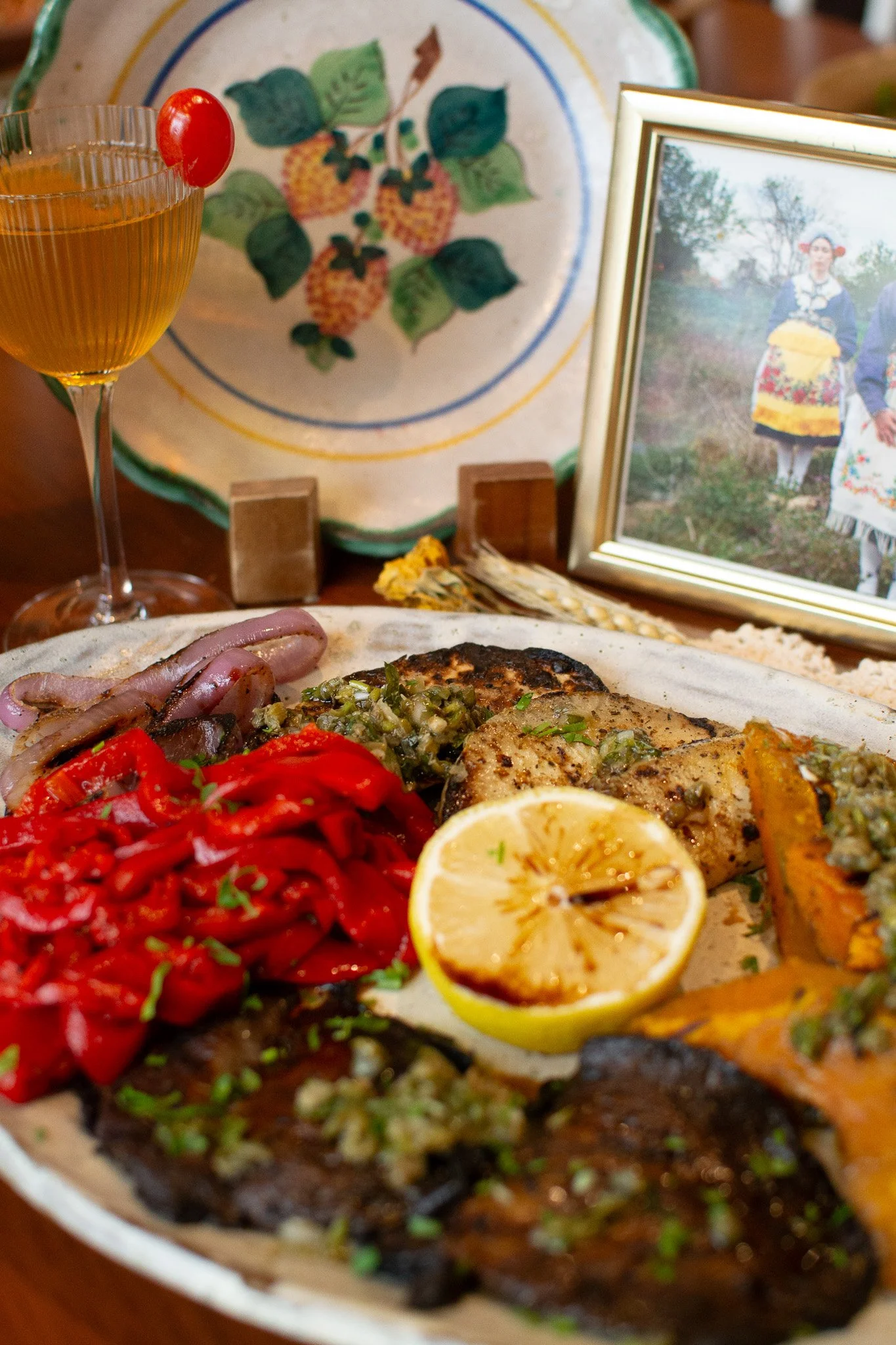
Northern Greece’s mountainous landscape dictates what people eat, especially in winter. Cabbage, leeks, carrots, onions, and beets. Vegetables that store well and sustain. Wild greens foraged from hillsides. Herbs like oregano, sage, rosemary, mint, and ironwort gathered for food, teas, and spirits.
The mountains do not offer abundance. They offer resilience. And the food reflects that.
At Bar Vlaha, this connection to land shows up in the ingredients, the restraint, and the respect given to what winter provides.
The Wines: Rooted in TimeJanuary’s wine selections focus on two of the oldest varietals in Greek wine history. Roditis and Xinomavro. Grapes that have survived not because they were trendy, but because they belonged.
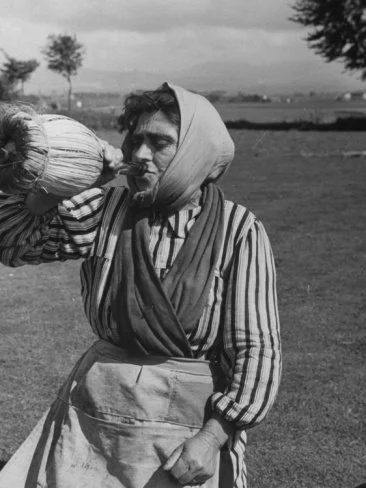
Roditis from Ktima Tatsis represents a raw and honest expression of the land. Low yield, minimally intervened, and deeply tied to family knowledge passed down through generations. This wine reflects roots in the truest sense. Learned by doing, not studying.
Xinomavro from Foundi carries a deeper historical weight. The Foundis family resettled in Naoussa after displacement in the early twentieth century, planting their first vines in the 1930s. Today, nearly all of their production remains focused on Xinomavro. A grape defined by acidity, structure, and earthiness.
These wines are shared the way they always have been. At the table, alongside food, embodying philoxenia. Welcoming guests as family.
The Bar: Firewater and Winter SpiritsJanuary’s cocktails follow the same philosophy as the kitchen. Classic foundations reinterpreted through Greek ingredients and winter sensibility.
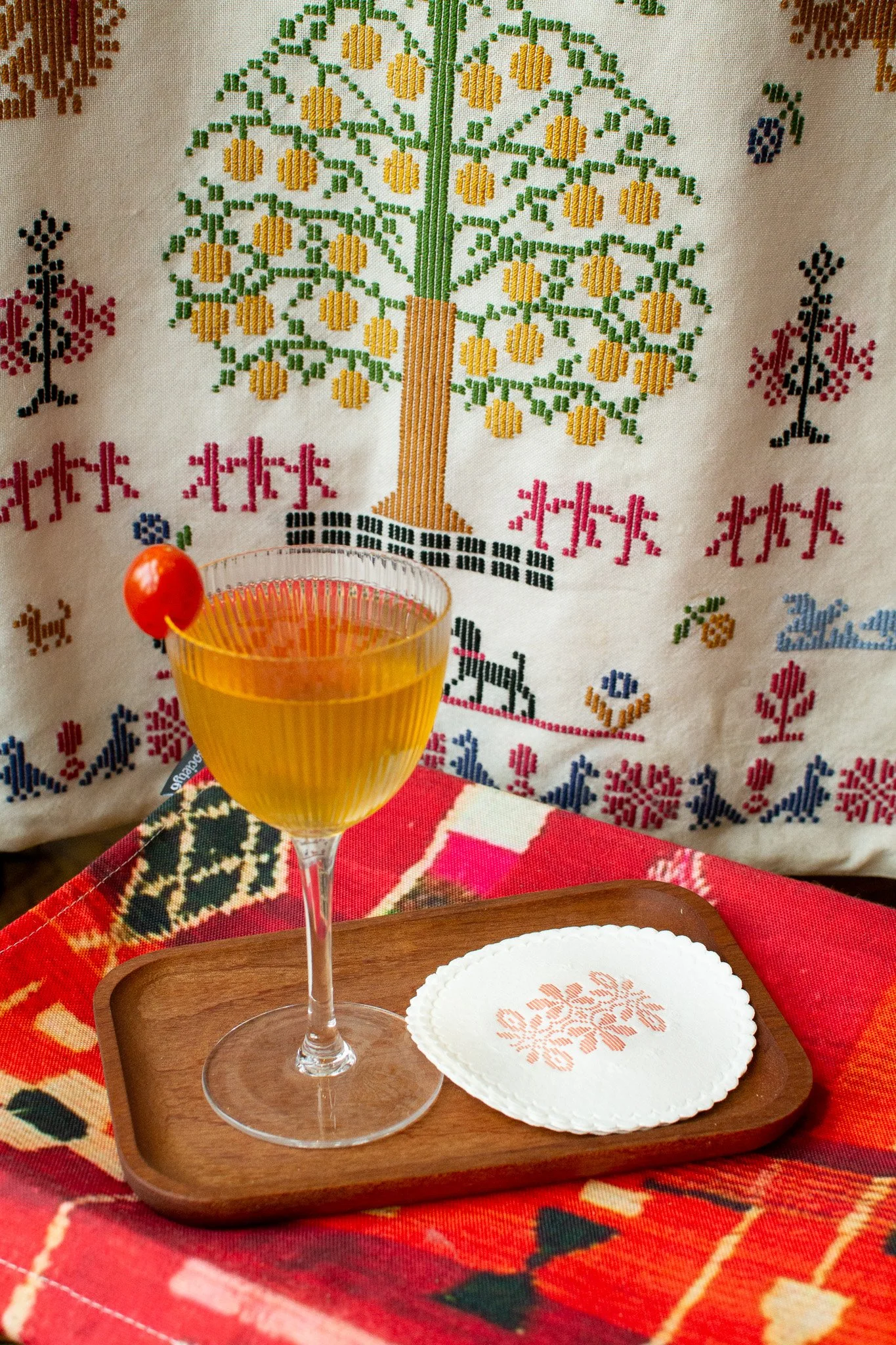
Metaxa, tsipouro, rakomelo. Spirits tied to family, home, and cold weather gatherings anchor the menu.
O Pió Kalós reimagines a mai tai through Metaxa, pine pollen orgeat, and mandarin. Rich but balanced.
Tomaters…Tomaters uses clarified vine tomatoes and warming spice in a daiquiri inspired format, showcasing how Greek flavors can shape even non Greek spirits.
The Rakomelo Highball deconstructs a traditional winter drink, preserving its warmth and familiarity while offering clarity and lift.
These drinks are not meant to impress. They are meant to accompany, warm, and linger.
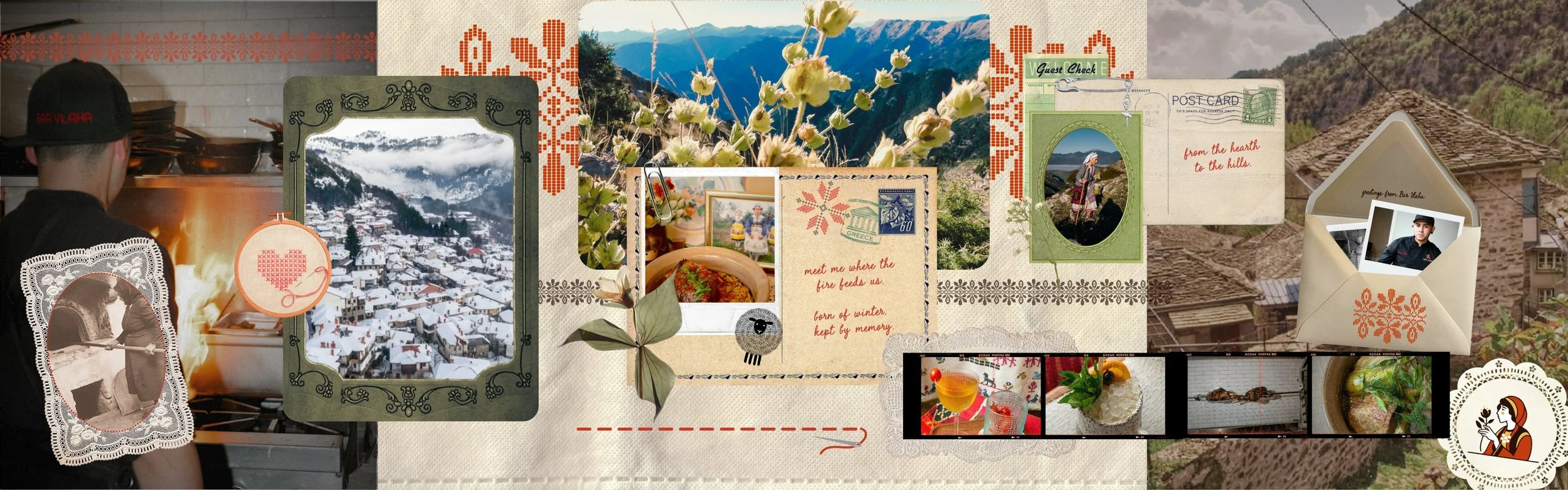
The MemoryIn Northern Greece, food is memory.
It carries stories of ancestors, winters survived, and meals shared around firelight.
January at Bar Vlaha honors that continuity. Cooking that connects past to present. Land to table. People to place.
This is Greece before airports.
Before postcards.
Before shortcuts.